There’s an old unease, almost childlike, that runs through every experience of video games: what if all of this existed only for me? The world on the screen hangs entirely on my gaze. I look away, it goes dark. I set down the controller, it freezes in a present with no witness. The solitary player is a kind of sad god, the only keeper of a universe that proves nothing, because there’s no one around to say yes, I saw it too.
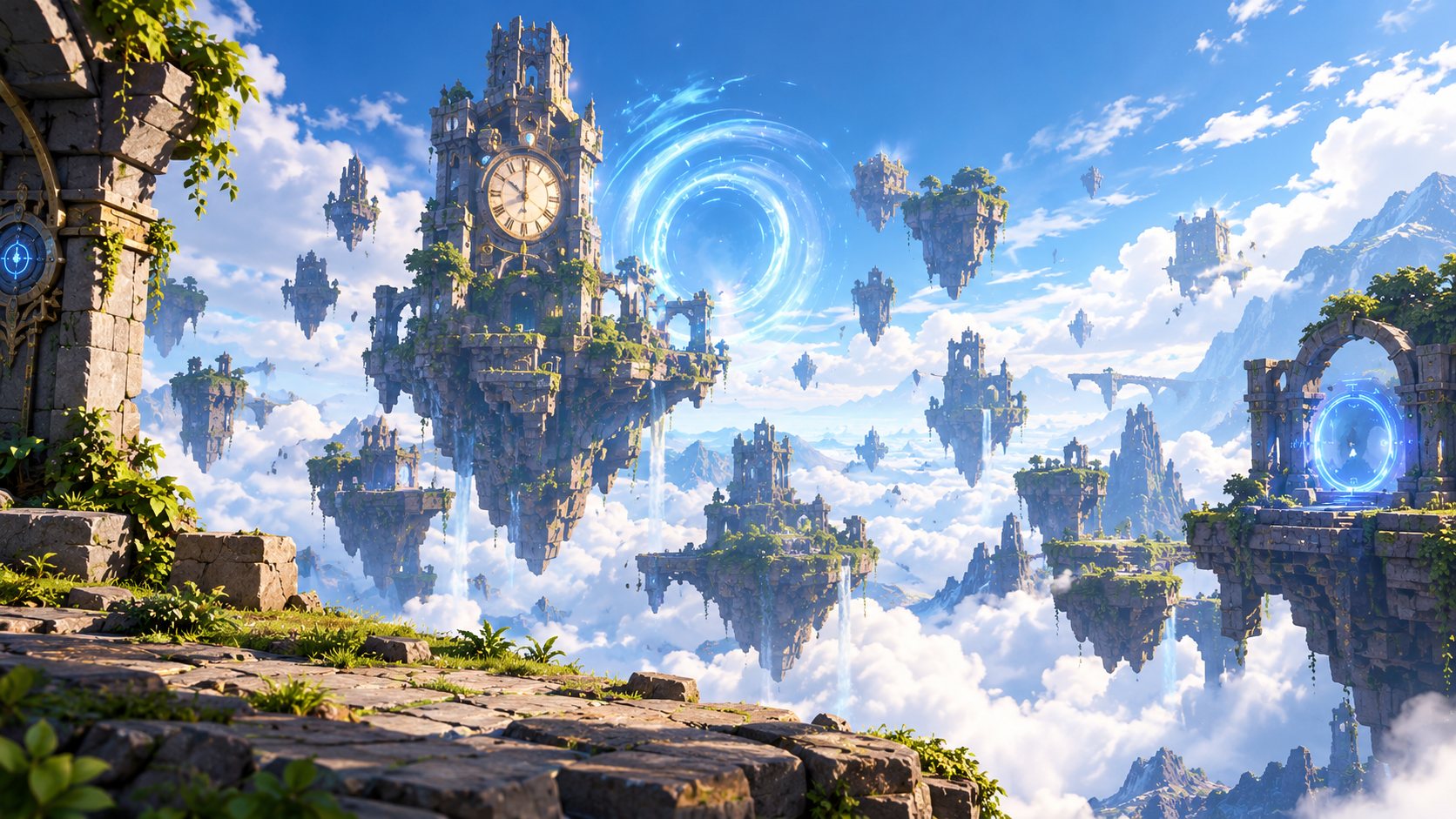
This is where another person changes everything. When someone plays beside me, not against me but in the same world as me, they don’t just add a presence. They vouch for it. They become living proof that the forest I’m crossing, the light on the rooftops, the mechanic I’ve just found, aren’t the inventions of a mind talking to itself. The world stops being my world and becomes a world, and that small shift is enough to make it real. Berkeley said that things exist only insofar as someone perceives them. The shared game adds a clause: they exist because another person perceives them along with me.
So sharing a video game isn’t only about sharing pleasure. It’s about asking someone to help carry the weight of the world’s existence, so it no longer rests on my shoulders alone. The joy of playing together comes from that relief. I’m no longer the last guardian of a universe that would vanish behind me the moment I turned away. Someone else remembers it. Someone else can say, months later, do you remember that place? And in that shared memory, the virtual place takes on more reality than plenty of real ones we’ve passed through by ourselves.
Maybe this is the quietest truth about the worlds we design. We don’t build spaces to be seen. We build them to be shared, which is to say confirmed. A world no one else can enter stays a dream. A world someone can join me in becomes a place. And designing a game, in the end, might always be a way of reaching a hand through the screen: come and see, tell me it’s real, stay a while, so the world doesn’t fade away behind me.