Pandora’s box is open, and nobody is putting AI back in it. Over the next decade, it will change almost everything about how games are made: how prototypes are built, how teams divide their work, how studios show games to players before launch, and how they keep updating them afterwards. Pipelines that once took months will take weeks. Trailers, store pages, devlogs, and patches will be produced and tested at a pace no marketing or live-ops team could have matched a few years ago. None of this is a distant forecast: the tools are already in studios, big and small, and the gap between teams that learn to use them well and those that don’t will only grow.
AI has two faces. The first is genuinely exciting. A new wave of creators no longer needs a full team, a publisher, or a big budget to make an idea playable: students, solo developers, artists, and people from outside the industry can now test a concept on their own. Ideas, mechanics, and techniques travel across the industry faster than ever, and everyone learns from everyone else. New platforms like Wavedash put games in front of players through a single link, with no installation required, so a prototype can meet real players on the very day it is built.
The second face is harder to look at. Developers, artists, animators, sound designers, writers, and QA testers: every craft in game development is being asked what parts of its work a machine can now do, and some studios will respond by cutting jobs rather than empowering their teams.
The biggest risk we see, though, is vibecloning. A game can be rebuilt in days from a trailer, a GIF, or a few minutes of gameplay. With AI decompiling, a shipped build, especially a web game whose code runs in the player’s browser, can be unpacked, read, and rebuilt far faster than before. Speed used to protect the people with the idea; now it can protect the people who copy it. Showing work early is still how you find your players and discover what makes your game fun, but it now comes with a real cost. This creates an opportunity for platforms like Wavedash, where early communities can help curate games and build trust before they reach the discoverability stage.
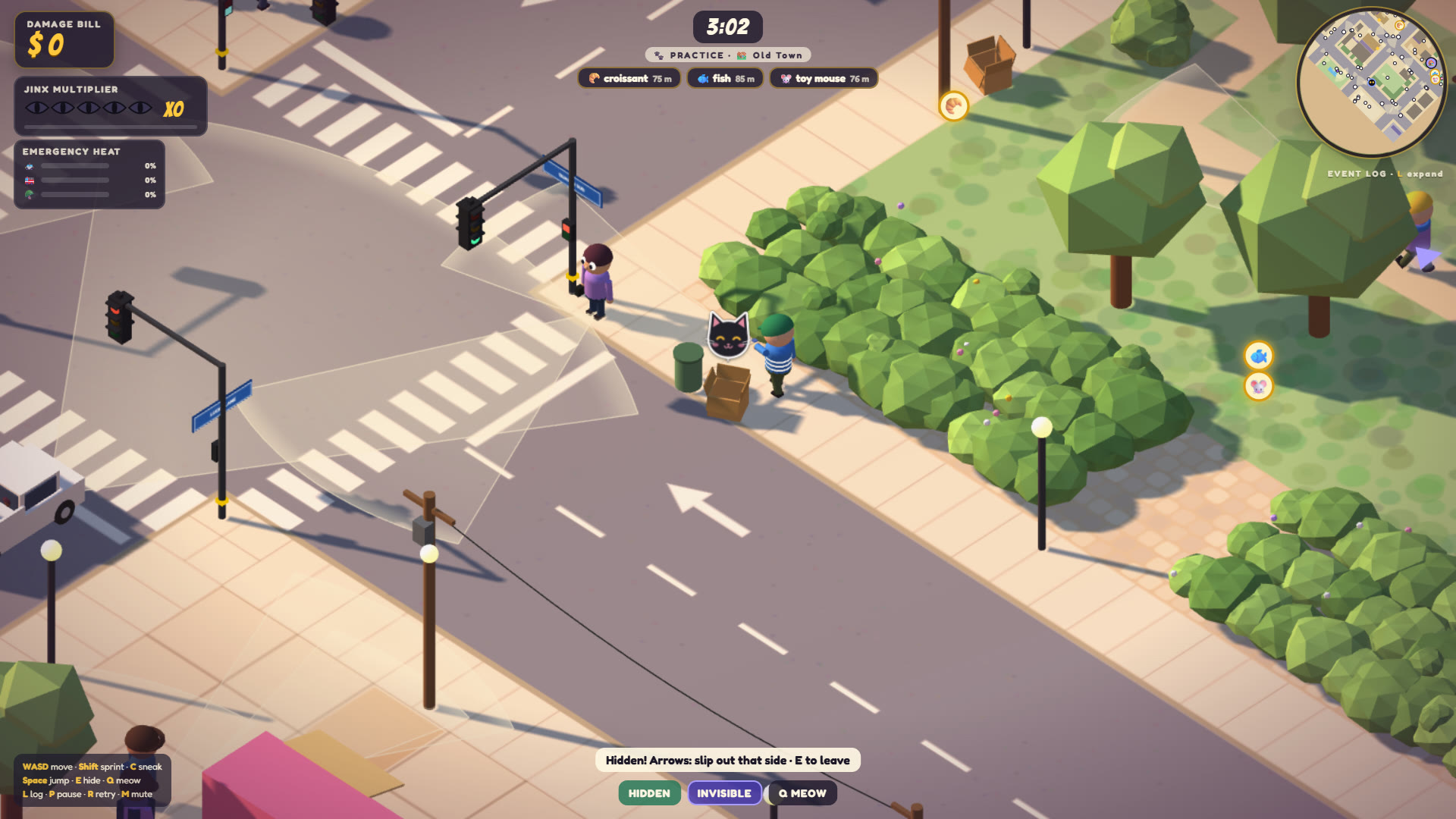
Our take: AI is a tool, not the process itself, nor the author. It is not useful for everything, and we don’t use it for everything. We use it where it matters most: prototyping, playtesting, iterating on new mechanics and gameplay, and delivering and testing game feel before scaling up a team. The hardest question in game development is also the cheapest one to ask early: Is this fun? Only players have the answer. If a prototype isn’t fun within five minutes, we cut it, learn from it, and move on.
At Play Typo, transparency with players is a core value. People stay in charge at every stage. Artists, game developers, and game designers can join the process at any point, not just once we’ve found the fun, because the earlier a craftsperson gets involved, the better the questions a prototype can answer. AI helps us scale, but people make the calls on what is fun, what gets cut, and what ships.
That is also our best defense against cloning: a copy can replicate what a game looks like, but it can’t replicate the team that knows why it works and what to build next.